Nightclub License Requirements & Rules
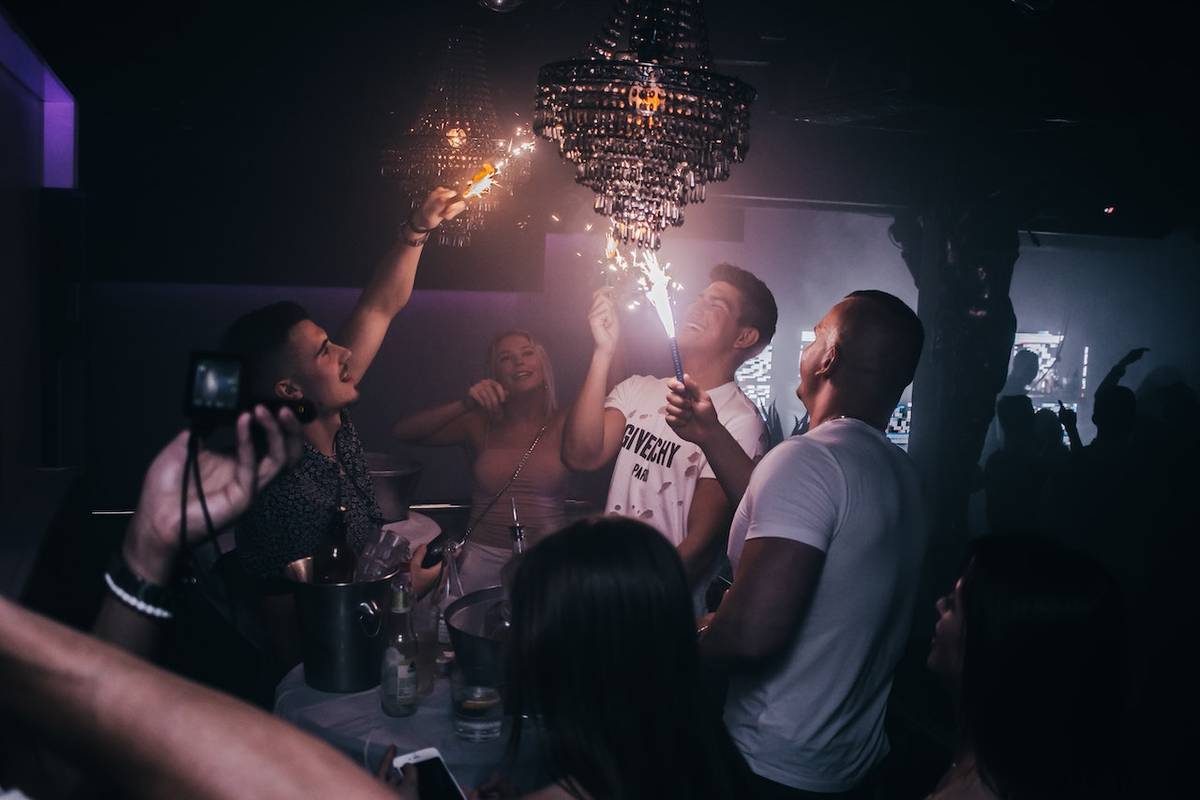
Various authorities regulate nightclubs and restaurants. State health departments inspect establishments to ensure that they meet safety standards. Local and state officials also oversee the distribution of alcohol, the establishment of fire safety rules, and the planning and zoning of new clubs and restaurants. Business owners must first identify the necessary licenses and requirements to operate legally.
Licenses and Permits Required to Open a Nightclub
When it comes to opening a new restaurant, there are specific requirements that you must meet to operate successfully. These include the approval of licenses, permits, and fees depending on the establishment's state. Besides being able to serve food, a restaurant also needs to protect public health by having the proper permits. In some cases, employees and management must complete training to obtain these permits.
State Registration
Restaurant owners must first register their business name with the appropriate state agency. For instance, if a restaurant is planning on operating as a limited liability company, it should be registered with the Secretary of State. This type of registration is ideal for protecting the company's legal liability. The owner must provide an employee identification number to ensure that the restaurant is registered with the appropriate agency. They should also complete a tax registration to include permits and licenses.
Business Licenses
Nightclubs and restaurants need multiple licenses to operate legally. A general business license allows establishments to work within a specific area. Usually, these establishments are granted from the local county or city where they are located. Since most establishments serve alcohol and offer clients VIP Bottle service with special led cakes or a bottle presenters for celebration, they must also obtain an Alcoholic Beverage License. In addition to being licensed to serve alcohol, a nightclub must also have a music license to play various types of music. This type of license is usually required if the establishment has a DJ.
Resale Permit
Nightclubs and restaurants must get multiple permits, such as a food service establishment permit. This permit ensures that the establishment meets all the health codes related to food preparation and storage. For instance, restaurant owners must also get a food dealer's access.
A building permit is required if a restaurant or nightclub requires modifications or construction. This permit must get obtained from the relevant authorities for various projects, such as adding a food preparation area or building a new space. In some jurisdictions, a restaurant or nightclub must also have a permit sign that shows the establishment's name in front of the building.
Alcohol Licenses
If a restaurant wants to sell alcohol, it must first obtain a liquor license from the state. The fees and requirements vary by state. Usually, a wine and beer license costs less than a full license, while a restaurant license costs less than a bar one. In some states, a restaurant license applicant must complete a liquor course to operate.
Certificate of Occupancy
Before obtaining a Certificate of Occupancy, you need to have a location. This document will allow you to confirm that your building is safe and meets the city's standards. It can identify your business' purpose and ensure the facility is suitable for your customers. Before starting the process, ensure your building is up to code.
Nightclub Signage Permit
Promoting a nightclub might not be as easy as it seems. A sign is vital for any business to promote itself and attract new customers. It can help them get the word out and show their location to potential customers. Before buying a sign, you must have the necessary permits and know what kinds of signs can be placed outside your establishment.
Due to the varying requirements in different states and cities, you must have the necessary permits. For instance, if you're in a shopping center or have a landlord, you might have to consider the additional sign requirements. Some of these include the sign's size, location, and lighting used for the sign.
Live Performance/Entertainment License
If you plan on holding a live event, such as a party or concert, you might want to consider getting a license that allows you to do so. Although you don't have to put a license on your checklist, it's important to note that these licenses come from your state's licensing authority.
Although a music license will allow you to perform live, you still need a permit to host a concert or other event. Your local government or city should also have an online application for a license for live entertainment. Some documents you might need to submit are a business license, an inspection certificate, and a certificate of occupancy.
Music License
Music plays a vital role in the ambience of a nightclub. It can help create a particular atmosphere and provide the proper air for your establishment. Before you start playing your music, make sure that you have a license. Since songs are copyright protected, you are required to pay a licensing fee to use them. Without a license, you might face various penalties and damages. These can range from around $750 to $30,000. Having the proper permits can help prevent you from getting sued.
Hot Food and Drink License
Even if you are only planning on selling hot food at your nightclub, you must first get the necessary permission to do so. In most cases, your premises license will allow you to serve hot food and drinks late at night, but it's essential to make sure that you have the proper paperwork in place. You can also be required to register your food service business with the local licensing authority.
Local Health Permits
A health permit is required for establishments that serve food. It usually involves regular inspections, like those run by the fire marshal. Employees who handle food must also complete a course to obtain a permit.
Seller's Permit or Sales Tax License
A seller's permit is a necessary license for any business, and it's typically required when you're planning on opening a nightclub. Before applying for a resale permit, ensure that you have this license with you. Regardless of what it's called, this permit helps your state identify you as a business owner. When you're selling goods, you're required to pay taxes on your form. Having this license and registration ensures that the authorities can monitor your business.
Employment Information
Nightclubs and restaurants usually hire workers before they open. They must also meet specific requirements to comply with labor and employment regulations. These include keeping records of all employees' eligibility, filing employment taxes, and providing a list of all workers. Besides being required to pay taxes, establishments also must give the workers' insurance and post safety posters in the area. These are all directed to comply with the Fair Labor Standards Act.
Nightclub Insurance
In some areas, nightclubs are required to follow strict regulations when it comes to insurance. It means that everything must be done for them to operate safely and securely. The proper insurance coverage will also help ensure that the staff and the building are protected. The various requirements that apply to a nightclub's license can affect how it operates and having the proper insurance cover will help ensure that everything is in order.
Employers' liability insurance is also a legal requirement for employers, and nightclubs also need this type of coverage. Another essential aspect that nightclubs should consider is the establishment's contents and building insurance. Compared to other businesses, lounges have unique needs when it comes to their insurance policies. Nightclubs should also consider having public liability insurance, which is not a legal requirement but can be required by your license. This type of cover can help protect the establishment from various injuries-related claims.
Check with Your Local & State Government for Additional Permits
The requirements for obtaining a license to operate a nightclub vary depending on the state and town. Failure to acquire these permits and licenses could result in fines and possibly the establishment's closure.
What It Actually Takes to Open a Nightclub
Licensing is only one piece of the puzzle. Opening a nightclub is a full business build-out: you are signing a long-term commercial lease, raising or committing serious capital, designing a space that has to move people through it efficiently, hiring a team that can handle pressure on a Saturday night, and building a brand that gives guests a reason to choose your room over the dozen others within driving distance. The operators who succeed treat the venue as a hospitality business first and a party second. Below is what the rest of the process really looks like once your permits are on the way.
Cost Breakdown: How Much It Costs to Open a Nightclub
The total cost of opening a nightclub ranges widely depending on city, square footage, and concept. A small lounge in a secondary market can come together for around $250,000, while a mid-sized urban club typically lands between $500,000 and $1.5 million, and a flagship venue in a major nightlife market (Las Vegas, Miami, New York, Los Angeles) can easily exceed $3 million to $6 million. Here is where the money usually goes:
- Real estate and lease deposits: $15,000-$75,000 upfront (first month, last month, security deposit, broker fees). Monthly rent in a nightlife district often runs $8,000-$40,000+.
- Build-out and construction: $150,000-$1,000,000+. This covers demolition, framing, bars, restrooms, HVAC upgrades, sprinklers, ADA compliance, and finishes.
- Liquor license fees: $1,500-$15,000 in most states for the application and annual fee. In quota states (Florida, California, New Jersey), buying an existing license on the secondary market can cost $50,000-$450,000.
- Equipment and furniture: $50,000-$200,000 for bar equipment, glassware, walk-in coolers, ice machines, POS systems, booths, banquettes, and VIP table seating.
- Sound, lighting, and AV: $75,000-$400,000. A serious club sound system, DJ booth, intelligent lighting rig, lasers, and video walls add up fast and are not the place to cut corners.
- Initial inventory: $20,000-$60,000 in opening liquor, beer, wine, mixers, and bar consumables.
- Insurance: $8,000-$25,000 per year for liquor liability, general liability, property, and workers' comp.
- Staffing and pre-opening payroll: $25,000-$100,000 for recruiting, training, and the first few weeks of payroll before revenue stabilizes.
- Branding, signage, and presentation: $10,000-$50,000 for logo design, exterior signage, menus, uniforms, and bottle service presentation pieces. LED bottle presenters, champagne sparklers, and custom signage are an often-overlooked line item that directly affects how premium the room feels and how much guests are willing to spend per table.
- Marketing and grand opening: $15,000-$75,000 for pre-launch buzz, influencer partnerships, paid social, and opening-week events.
- Working capital reserve: 3-6 months of operating expenses ($100,000-$500,000) to survive the slow first quarter while you are still building a crowd.
Step-by-Step: How to Open a Nightclub
Here is a realistic sequence for how to open a nightclub from idea to opening night. Most operators should expect the full process to take 12 to 24 months.
- Write a real business plan. Define the concept, target guest, capacity, projected covers, average spend, table-vs-general-admission mix, and a 36-month P&L. This document is what investors and lenders will actually read.
- Lock in funding. Combine personal capital, investor equity, SBA loans, and equipment financing. Plan for at least 20% more than your spreadsheet says you need.
- Form the legal entity. Set up an LLC or corporation, get an EIN, open business banking, and bring on a hospitality attorney early.
- Scout and secure a location. Check zoning for nightclub use, verify the building can handle your target occupancy, and confirm late-night operation is allowed. Negotiate a lease with a build-out period and rent abatement.
- Apply for licenses and permits. Liquor license, business license, certificate of occupancy, health permit, music licenses (ASCAP, BMI, SESAC), and entertainment permits. This step runs in parallel with construction because timelines vary by jurisdiction.
- Design the space and finalize build-out. Hire an architect and a hospitality designer who understand flow, sightlines to the DJ booth, bar throughput, and VIP table layouts. Order long-lead items (sound, lighting, custom millwork) as early as possible.
- Lock in vendors and inventory. Negotiate with liquor distributors, beer wholesalers, ice and CO2 suppliers, security companies, and uniform providers.
- Hire and train the team. A typical mid-sized club opens with 35-60 staff: GM, beverage director, head of security, bar manager, bartenders, barbacks, servers, bottle hosts, door staff, security, porters, and a marketing lead. Train hard on POS, upsell scripts, ID checks, and incident response.
- Build the brand and pre-launch marketing. Lock the name, logo, website, and Instagram before construction is done. Start seeding content 60-90 days out.
- Run a friends-and-family soft launch. One or two invite-only nights to stress-test the bar, kitchen, sound, and service before the public sees you.
- Host the grand opening. Book a headline DJ, comp key influencers and local press, and make sure every bottle delivery looks like the photo that ends up on social.
- Optimize weekly. Review covers, spend per head, labor percentage, and pour cost every Monday morning. The clubs that last are the ones that treat operations like a discipline.
Common Mistakes When Opening a Nightclub
Most nightclubs that close in the first two years make the same handful of mistakes. Avoiding these is half the battle of how to open a nightclub that actually survives.
- Underestimating the build-out budget and timeline. Construction almost always runs 20-40% over. Operators who do not hold a contingency end up opening underfinanced.
- Picking the wrong location. Cheap rent in a dead corridor is more expensive than premium rent in a proven nightlife district, because foot traffic and adjacent venues do half your marketing for you.
- Skimping on sound and lighting. Guests will forgive a slow bar before they forgive a thin sound system or a flat-looking room. This is the single biggest driver of perceived quality.
- Hiring the wrong GM. A nightlife GM has to manage cash-heavy operations, security incidents, talent buyers, and a young staff. Hiring a restaurant manager into this role rarely works.
- Ignoring bottle service presentation. A $1,200 bottle delivered without a presenter, sparklers, or signage feels like a $200 bottle. Presentation is what justifies the premium and drives table spend.
- No working capital cushion. The first 90 days are slow while word of mouth builds. Operators who open with no reserve get squeezed before the concept has time to catch on.
- Treating marketing as a one-time launch. Promotion is a weekly job. Clubs that go dark on Instagram between weekends lose momentum fast.
Frequently Asked Questions
How long does it take to open a nightclub?
Most operators should plan on 12 to 24 months from signing the lease to opening night. Liquor licensing alone can take 3 to 9 months depending on the state, and build-out for a mid-sized club typically runs 4 to 8 months. Rushing the timeline almost always means opening with unfinished systems, undertrained staff, or missing permits, which is far more expensive than waiting.
Do I need experience to open a nightclub?
You do not legally need experience, but you absolutely need it on your team. First-time owners who succeed almost always partner with a seasoned operator, hire a GM with 10+ years in nightlife, or buy into an existing concept. Opening a nightclub without anyone on the team who has run one before is the single most common reason new venues fail in year one.
What is the most expensive part of opening a nightclub?
Build-out and construction are usually the single largest line item, often 40-60% of total opening cost. In quota states where liquor licenses trade on a secondary market, the license itself can rival construction. Sound, lighting, and AV are the third major bucket and the one new operators most often underestimate.
Can you open a nightclub without a liquor license?
Technically yes, but it is rare and difficult to make profitable. Dry clubs and juice bars exist, but alcohol sales typically drive 70-80% of a traditional nightclub's revenue. Most operators who cannot get a license in their target market either partner with a license holder, buy an existing license, or pivot to an event-space model where alcohol is provided by a licensed caterer per event.
How much do nightclub owners make?
A well-run mid-sized nightclub doing $3-6 million in annual revenue typically nets 10-20% after all expenses, so $300,000 to $1.2 million in profit for the ownership group. Flagship venues in major markets can clear several million in a strong year. Margins are real but volatile, and a single bad summer or a license suspension can wipe out a year of profit.
What size is a typical nightclub?
Small lounges run 1,500-3,000 square feet with a capacity around 100-250 guests. Mid-sized clubs are usually 5,000-10,000 square feet with capacity of 400-900. Large flagship venues can hit 15,000-30,000+ square feet with capacity above 1,500. Capacity is set by the fire marshal based on egress, restrooms, and square footage, not by what the owner wants.